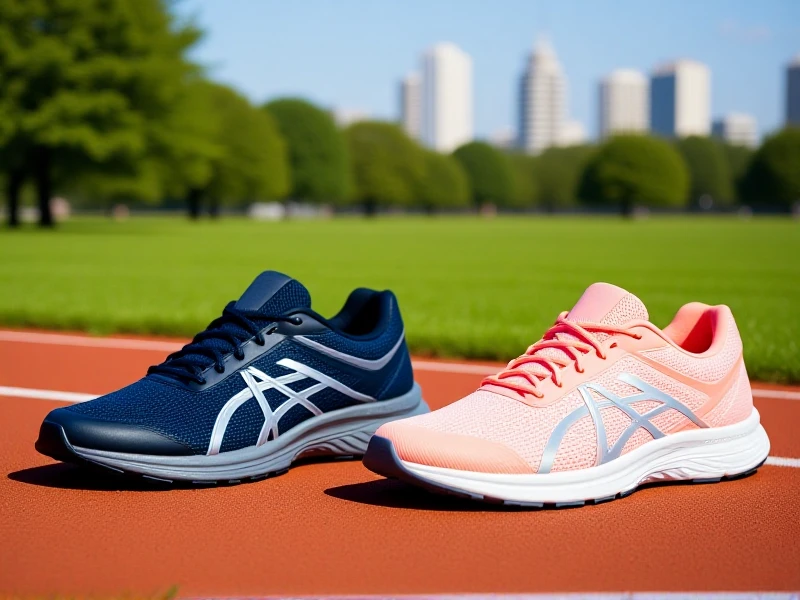
Find Your Perfect Stride: The Ultimate Guide to Women's Running Shoes
Every woman who runs knows the heartbreak: that moment a new pair of running shoes causes blisters instead of bliss. Your footwear is the most critical piece of running gear; the right pair enhances performance and protects your body, while the wrong choice can lead to discomfort, injury, and a stalled routine. This guide cuts through the noise, helping you find women's running shoes that truly work for your feet and goals.
Beyond picking your favorite color, selecting the perfect shoe involves understanding key features designed specifically for the female foot, which often differs in shape, size, and biomechanics from a man's.
-
Cushioning & Feel: This is personal preference tied to your running style and surface.
- Max Cushioning: Plush softness (e.g., soft EVA or specialized foams) absorbs impact, ideal for long distances or joint comfort. Can feel heavier.
- Responsive Cushioning: Offers a springy, energetic rebound (TPE or compressed foam blends) for speed and agility. Great for tempo runs or races.
- Natural Feel: Minimal cushion and lower drop (heel-to-toe height difference) mimics barefoot running, promoting ground feel and natural foot strike. Requires adaptation.
- Balanced Cushioning: The sweet spot for most runners – adequate protection without sacrificing feel or being overly bulky.
-
Support Systems: Match this to your foot type and gait.
- Stability Shoes: Incorporate medial posts, firmer foam wedges, or guiding rails built into the midsole to prevent excessive inward rolling (overpronation). Vital for medium to high arches needing control.
- Neutral Shoes: Designed for efficient foot movement without controlling pronation. Suited for neutral runners or mild underpronators (supinators), often with more flexible soles.
- Motion Control: Maximum support for severe overpronation, typically with rigid medial posts and structured heels. Less common today as stability tech improves.
-
Fit & Breathability:
- Women-Specific Lasts: The shoe mold ("last") in women's models is typically narrower in the heel and wider in the forefoot compared to men's. Ensure your chosen brand uses dedicated women's lasts.
- Upper Construction: Mesh is king for breathability, keeping feet cool on long runs. Look for seamless designs or strategically placed overlays that lock down your midfoot without pinching. Heel collars should be snug but not chafing.
- Proper Sizing: Always try shoes on in the afternoon when feet are slightly swollen, wearing your running socks. Aim for a thumbnail's space beyond your longest toe. Wiggle room is crucial!
-
Outsole & Purpose: Consider where you'll run most often.
- Road Shoes: Optimized for pavement with durable rubber under high-wear areas and flexible grooves for smooth transitions. Waffle patterns offer grip on tarmac.
- Trail Shoes: Feature aggressive, multi-directional lugs for mud and loose terrain, protective toe guards, and often rock plates underfoot. More rigid for uneven ground.
- Versatile Options: Many lightweight trainers now handle both well-groomed trails and roads effectively.
Finding your perfect pair is a journey. Don't hesitate to visit a specialized running store where experts analyze your gait and foot type. Prioritize how the shoe feels – a responsive, comfortable fit that encourages you to run longer and stronger is the ultimate goal. Invest in the foundation beneath you – your best runs begin with the right women's running shoes. Discover your next ideal pair today!