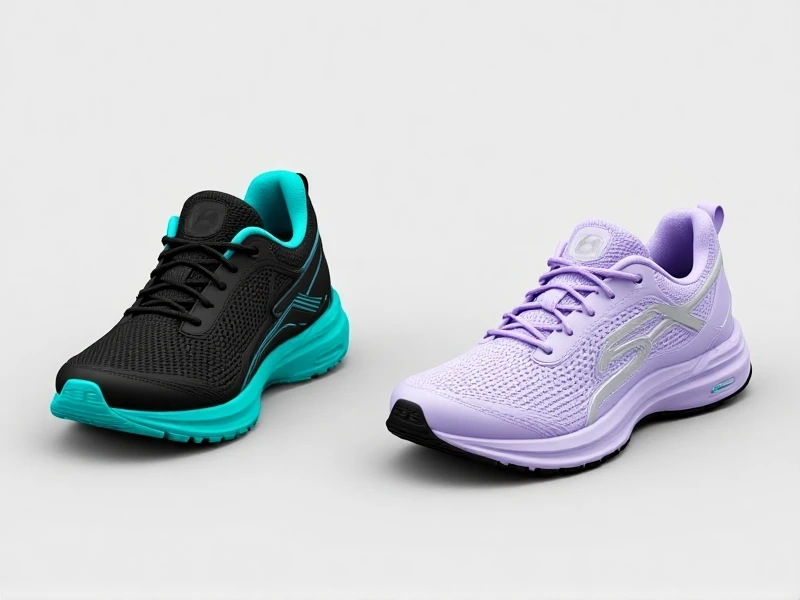
The Ultimate Guide to Men's Running Shoes (2024 Edition)
Here's an SEO-optimized article focusing on "Men's Running Shoes":
<The Ultimate Guide to Men's Running Shoes (2024 Edition)>
Finding the perfect pair of men's running shoes is more than just choosing a slick design; it's about unlocking better performance, comfort, and injury prevention on every run. With overwhelming options, knowing what sets top contenders apart is crucial. This guide breaks down everything you need to know before investing in your next pair.
Why the Right Shoe Matters
Your running shoes are your primary interface with the ground. A poorly fitting or unsupportive shoe can lead to discomfort, blisters, shin splints, knee pain, and even longer-term injuries. Conversely, the right pair of men's running shoes provides cushioning to absorb impact, stability for efficient motion control, and a responsive platform to propel you forward, mile after mile.
Key Features to Consider When Buying Men's Running Shoes:
- Foot Type & Gait: This is paramount. Are you an overpronator (foot rolls inward excessively), an underpronator/supinator (foot rolls outward), or neutral? Understanding your gait dictates the level of stability or motion control needed. Visiting a specialty running store for a gait analysis is highly recommended.
- Cushioning Level: Cushioning absorbs shock. Preferences vary:
- Maximum Cushion: Ideal for long distances, heavier runners, or those prioritizing joint protection.
- Moderate Cushioning: Versatile option suitable for most runners and distances.
- Minimalist/Lightweight: Offers ground feel and promotes a natural stride; requires adjustment and stronger feet.
- Running Surface: Match the shoe to your terrain:
- Road Running Shoes: Designed for pavement, offer cushioning and durability on hard surfaces.
- Trail Running Shoes: Feature aggressive lugs for grip on dirt, mud, and rocks, plus better protection and rock plates.
- Hybrid Shoes: Blend elements of road and trail for versatility.
- Fit & Sizing: Always try shoes on in the afternoon (feet swell slightly during the day). There should be about a thumbnail's width of space between your longest toe and the end of the shoe. Ensure a snug but not tight heel hold and adequate room across the widest part of your foot.
- Weight: Lighter shoes generally promote faster turnover but may offer less support/cushioning. Heavier shoes provide more structure and protection. Choose based on your goals (e.g., speedwork vs. marathon training).
Top Men's Running Shoe Technologies:
Leading brands constantly innovate:
- Advanced Foams: Nike React, adidas Lightstrike Pro, Puma Nitro, New Balance Fresh Foam X offer responsive cushioning without excessive weight.
- Carbon Plates: Integrated (often in racing shoes) for unparalleled energy return and propulsion in elite marathon shoes.
- Sustainable Materials: Brands increasingly use recycled polyester, natural materials (e.g., algae foam), and sustainable production methods.
- Integrated Cushioning & Support: ASICS Gel, Brooks GuideRails, Saucony PWRRUN PB provide targeted impact absorption and stability.
Top Contenders (Examples of Styles - Always prioritize YOUR fit/needs):
- Versatile Daily Trainer: Nike Pegasus, Brooks Ghost, New Balance 880v14, Saucony Ride
- Long Run/Max Cushion: HOKA Bondi, ASICS Gel-Nimbus, New Balance Fresh Foam More
- Lightweight/Speed: Saucony Endorphin Speed, Nike Zoom Fly, adidas Adios Pro (Carbon Plate)
- Stability: Brooks Adrenaline GTS, ASICS GT-2000, Saucony Guide
Making Your Investment Last Even the best men's running shoes degrade. Replace them every 300-500 miles as midsole cushioning loses compression, increasing injury risk.
The Final Stride Choosing men's running shoes is deeply personal. Prioritize fit, support for your gait, comfort for your runs, and durability for how you train or race. Forget trends – seek out the perfect functional partner built for your feet and running journey. Visit a local running store, try on multiple pairs, and experience the difference the right shoe makes. It's the smartest investment for every runner. What shoe features matter most to your run?