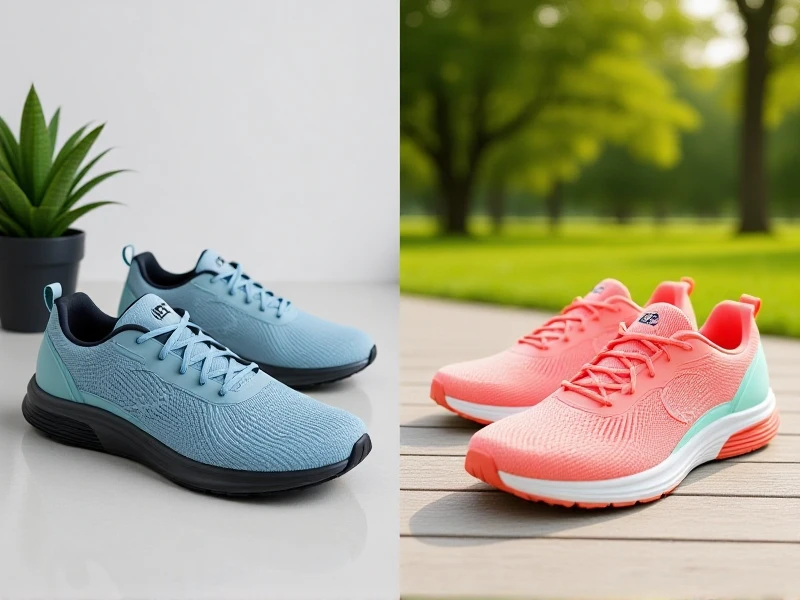
Ultimate Guide to Choosing the Best Men's Running Shoes
Finding the perfect pair of Men's Running Shoes isn't just about style; it's a critical investment in performance, comfort, and injury prevention. With countless options flooding the market, making the right choice can feel overwhelming. This guide breaks down the key factors every runner needs to consider.
1. Understand Your Running Style & Foot Type:
The foundation lies in how your foot strikes the ground (pronation):
- Neutral Pronation: Feet roll slightly inward naturally. Look for neutral men's running shoes designed for stability and support.
- Overpronation: Feet roll inward excessively. Seek stability or motion control running shoes for men featuring reinforced medial (inner) sides.
- Underpronation (Supination): Feet roll outward. Prioritize flexible neutral shoes with ample cushioning in the lateral (outer) areas.
- Gait Analysis: Visit a specialty running store for expert assessment – invaluable for finding your ideal fit.
2. Prioritize Cushioning & Responsiveness:
Cushioning absorbs impact, critical for joint health especially for heavier runners or longer distances. Modern midsoles, like EVA foam, Pebax, and TPU (e.g., Brooks DNA LOFT, ASICS FF BLAST , Nike React), offer varied experiences:
- Maximum Cushioning: Cloud-like feel for long miles (e.g., Hoka Clifton, New Balance Fresh Foam More).
- Balanced Cushioning: Versatile mix of comfort and energy return (e.g., Brooks Ghost, Saucony Ride).
- Minimal/Racing: Lightweight and responsive for speed (e.g., Nike Streakfly, ASICS MetaSpeed).
3. Consider Fit & Support:
Fit is paramount. Allow a thumb's width of space at the toe box. Ensure the heel is snug but not tight, and the midfoot feels secure without pressure points. Look for integrated support technologies tailored to pronation needs without excessive bulk.
4. Focus on the Task: Surface & Distance
- Road Running Shoes: Most common. Prioritize cushioning and lighter weight. Outsoles are generally smooth.
- Trail Running Shoes: Essential for off-road. Look for aggressive lugs, rock plates for protection, and reinforced uppers.
- Race Day: Ultra-lightweight performance shoes built for speed over short-to-medium distances.
- Long Distance: Durability and maximum cushioning reign supreme.
5. Pay Attention to Breathability & Durability:
Look for engineered mesh uppers for airflow. Reinforced high-wear areas (toes, medial sides) extend the lifespan of your Men's Running Shoes. Quality rubber compounds on the outsole are crucial for traction and longevity.
The Bottom Line:
Don't sacrifice function for fleeting trends. Analyze your unique biomechanics, your typical running terrain, and the distances you cover. Trying shoes on later in the day (when feet swell) and bringing your regular running socks provides the best gauge. A well-chosen pair of men's running shoes transforms miles, reduces strain, and lets you enjoy the pure exhilaration of the run. Replace them every 300-500 miles for optimal support and performance. Happy running!